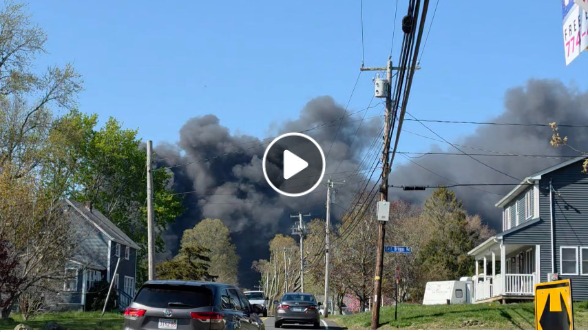
Residents across Nova Scotia are being reminded to remain vigilant as provincial officials continue enforcing daily fire restrictions aimed at reducing the risk of wildfires during the 2026 wildfire season. The restrictions, which are reviewed and updated every day based on weather conditions, are designed to protect communities, forests, wildlife, and emergency responders from preventable fires.
Officials emphasize that changing weather patterns, including warm temperatures, dry vegetation, low humidity, and gusty winds, can quickly increase wildfire danger. As a result, residents are encouraged to check the province’s daily burn restriction updates before lighting any outdoor fire and to follow all provincial and municipal fire safety regulations.
Fire Restrictions Remain in Effect
According to the latest provincial update, all counties across Nova Scotia remain under red restrictions during the morning hours, meaning outdoor burning is prohibited.
Throughout Nova Scotia’s wildfire season, which runs annually from March 15 through October 15, domestic brush burning and campfires are automatically prohibited between 8:00 a.m. and 2:00 p.m. each day.
Provincial officials reassess conditions daily and issue updated restrictions at 2:00 p.m., when burn classifications may either remain unchanged or be adjusted depending on weather forecasts, humidity levels, wind speeds, rainfall, and overall wildfire danger.
Understanding Nova Scotia’s Fire Restriction System
Nova Scotia uses a county-by-county color-coded fire restriction map to help residents determine whether outdoor burning is permitted.
The system includes:
-
Red: No outdoor burning permitted.
-
Yellow: Burning permitted only during limited evening and overnight hours.
-
Green: Burning allowed beginning in the afternoon and continuing through the following morning.
Officials stress that residents should consult the updated burn map each day before starting any outdoor fire, as restrictions can change rapidly when weather conditions deteriorate.
Why the Restrictions Matter
Provincial authorities continue to stress that preventing human-caused wildfires remains one of the most effective ways to protect Nova Scotia’s communities and natural resources.
Many wildfires are caused by preventable activities, including:
-
Unattended campfires
-
Improperly extinguished brush piles
-
Discarded smoking materials
-
Sparks from equipment and machinery
-
Unauthorized outdoor burning
Even a small spark can ignite dry vegetation and spread rapidly under windy conditions, creating dangerous situations for nearby communities and emergency responders.
Lessons From Recent Wildfire Seasons
Fire prevention remains a major focus throughout Nova Scotia following several destructive wildfire events in recent years that damaged homes, displaced residents, and burned thousands of hectares of forest.
Those incidents demonstrated how quickly wildfires can grow under unfavorable weather conditions and reinforced the importance of early prevention efforts, public awareness, and strict compliance with burn restrictions.
Officials continue encouraging residents to remain alert throughout the wildfire season and to follow all guidance intended to reduce preventable fire incidents.
Municipal Rules May Also Apply
While provincial restrictions establish minimum requirements, local municipalities may enforce additional fire regulations depending on local conditions.
Residents planning any outdoor burning are encouraged to verify both provincial restrictions and municipal bylaws before proceeding.
Officials also remind the public that violating fire regulations can result in significant penalties, particularly if unauthorized burning contributes to a wildfire.
Reducing Wildfire Risk Around Homes
Emergency management officials recommend that homeowners take proactive steps to reduce wildfire hazards around their properties.
Suggested measures include:
-
Removing dry leaves and dead vegetation.
-
Clearing combustible materials away from buildings.
-
Maintaining defensible space around homes and outbuildings.
-
Keeping roofs and gutters free of debris.
These precautions can help slow the spread of fire while improving firefighters’ ability to protect structures if a wildfire threatens the area.
Campfire Safety Remains Essential
Officials are also urging campers, hikers, and outdoor enthusiasts to remain cautious whenever campfires are permitted.
Safety recommendations include:
-
Using only approved fire pits.
-
Never leaving fires unattended.
-
Fully extinguishing fires before leaving.
-
Pouring water over the fire until ashes are cold to the touch.
-
Stirring ashes thoroughly to eliminate hidden hot spots.
Practicing these simple precautions can significantly reduce the likelihood of accidental wildfires.
Public Asked to Report Wildfires Immediately
Early detection continues to play a critical role in limiting wildfire damage.
Residents who observe smoke or flames in wooded or forested areas are encouraged to report them immediately so emergency responders can investigate and, if necessary, begin suppression efforts before fires spread.
Rapid reporting helps firefighters respond quickly and often prevents small fires from becoming large, destructive incidents.
Firefighters Remain Ready Throughout Wildfire Season
Wildland firefighters, municipal fire departments, volunteer firefighters, and emergency management agencies across Nova Scotia remain prepared to respond whenever wildfire threats arise.
Depending on the size and complexity of an incident, firefighting operations may involve helicopters, heavy equipment, specialized wildland crews, and coordinated incident management teams working together to protect lives, homes, and natural resources.
Weather Continues to Influence Daily Restrictions
Meteorologists note that wildfire danger can change significantly from one day to the next.
Factors influencing daily fire restrictions include:
-
High temperatures
-
Low humidity
-
Dry vegetation
-
Strong winds
-
Recent rainfall
Because weather conditions remain unpredictable, officials continue encouraging residents to check the latest fire restriction updates before conducting any outdoor activities involving open flames.
Fire Prevention Is a Shared Responsibility
As Nova Scotia’s wildfire season continues, provincial officials emphasize that protecting communities from wildfire depends on everyone doing their part.
By respecting daily burn restrictions, practicing responsible outdoor fire safety, maintaining defensible space around homes, and reporting potential wildfires promptly, residents can help reduce the risk of devastating fires throughout the province.
Officials will continue monitoring weather conditions daily and updating fire restrictions as necessary to respond to changing wildfire risks across Nova Scotia.